
CNBC’s The China Connection newsletter: Why Sam’s Club is in a sweet spot as China faces consumption worries
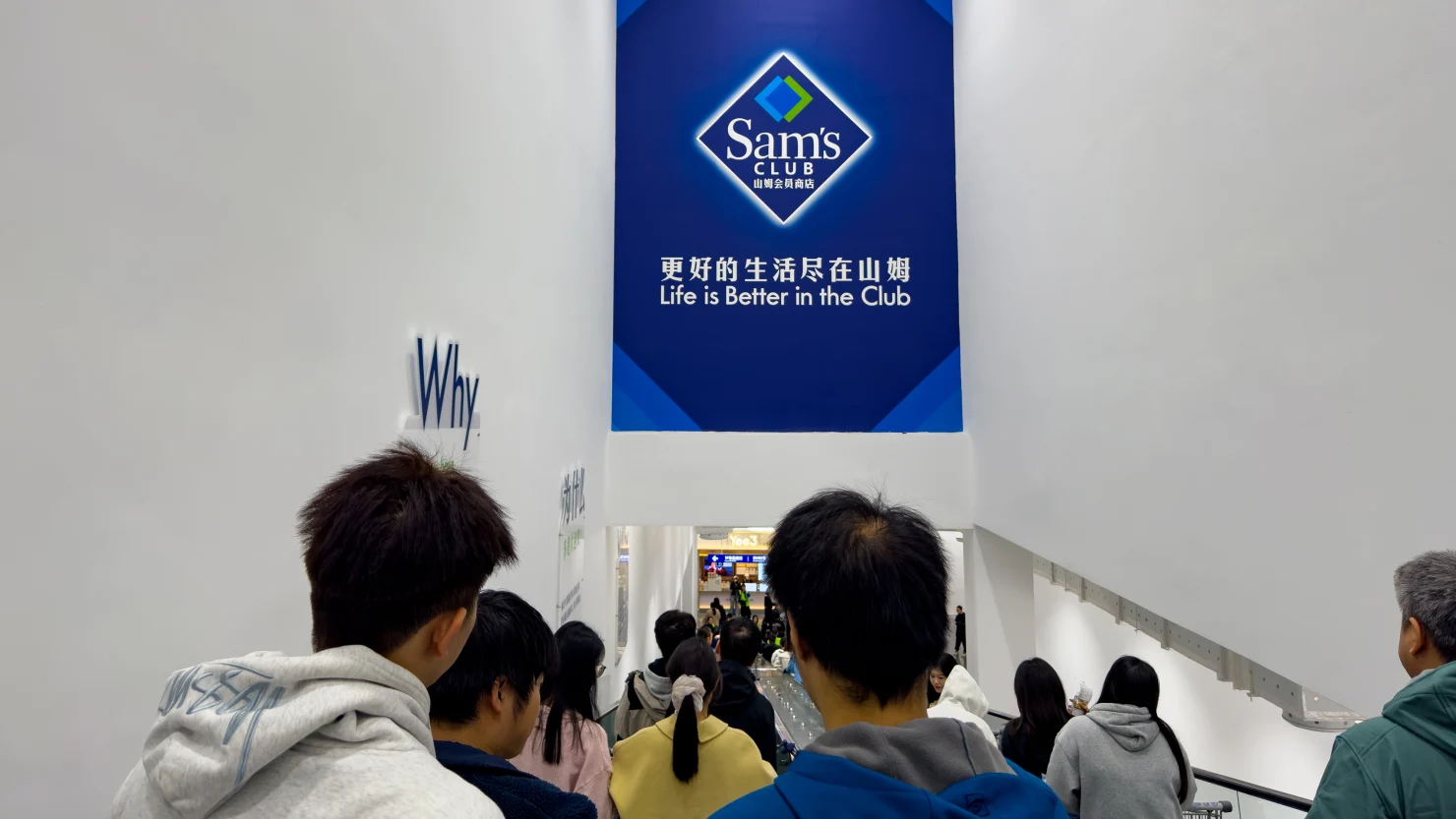
YANGZHOU, CHINA - NOVEMBER 12, 2025 - Citizens shop at the first Sam’s Club in Yangzhou, Jiangsu Province, China on November 12, 2025.
While broad consumption gauges in China weaken, American membership warehouse chains are finding remarkable success by offering a potent mix of curated goods, experiential shopping, and digital convenience. Sam's Club, Walmart's membership-based arm, is accelerating its fastest-ever expansion in the country, opening crowded new stores in Beijing and Shanghai and planning a 10th outlet in Guangzhou next week.
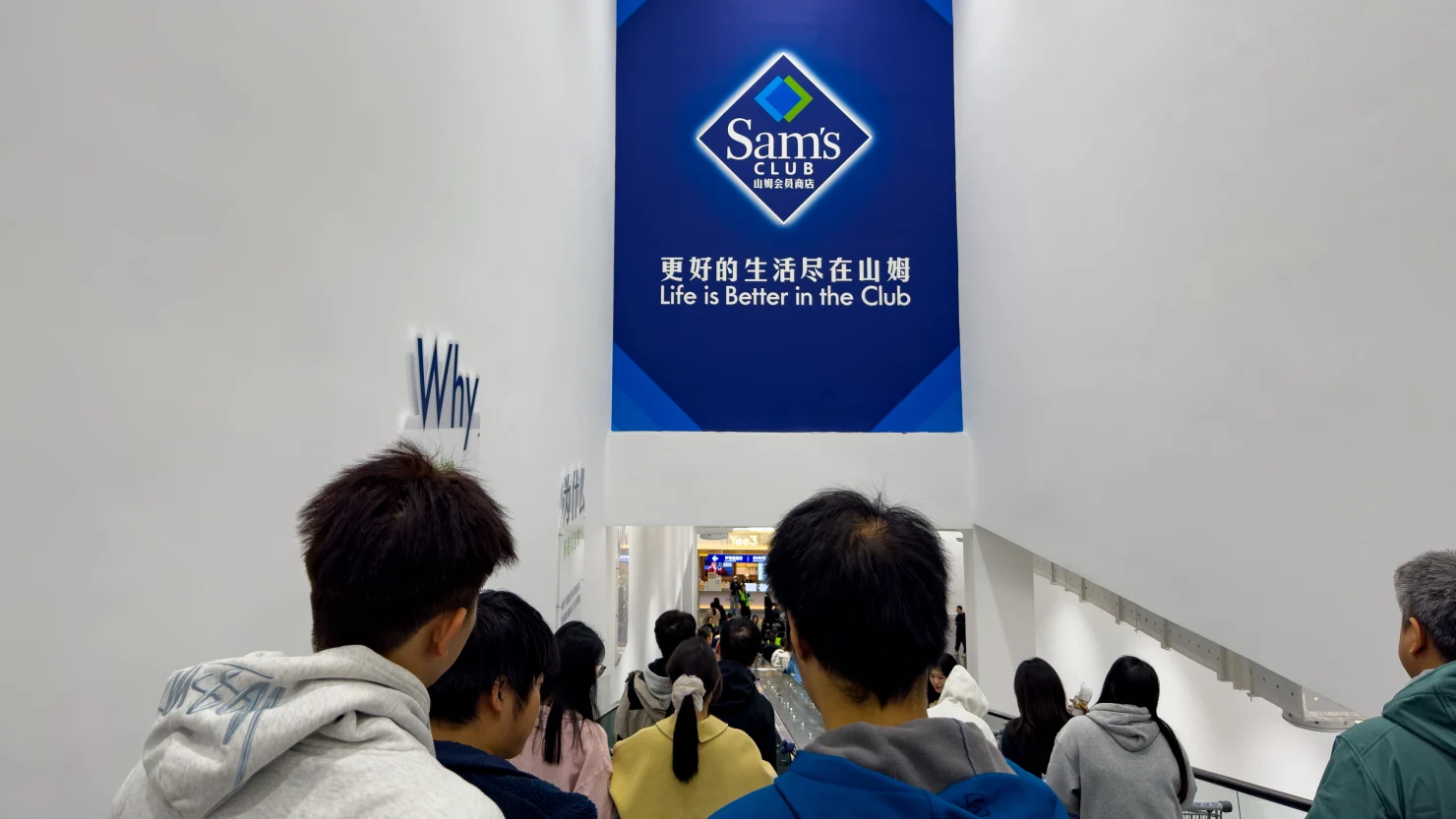
This growth contrasts sharply with the decline of traditional hypermarkets, which have been squeezed by dominant e-commerce platforms like Alibaba and JD.com. Walmart has closed nearly 150 hypermarkets in China since 2020. Yet, Sam's Club has become a standout, driving Walmart's net sales in China up 21.9% year-on-year last quarter.
The Formula: Exclusivity, Experience, and Digital Speed
The model succeeds by combining several elements that resonate with China's affluent urban consumers. Shoppers pay an annual membership fee (260–680 yuan, or $37–$97) not primarily for discounts, but for access to exclusive products—like the chain's Member’s Mark house brand—and a "treasure hunt" shopping experience that online rivals cannot replicate.
"It's more of a … 'let's go to Disney' here," said Curtis Alan Ferguson, former president of Coca-Cola Greater China. The physical store serves as a discovery destination, after which customers often place 5–10 delivery orders via the app. Walmart CEO Doug McMillon highlighted that nearly 80% of digital orders in China are delivered within one hour, blending offline excitement with online convenience.
A Niche That Local Players Struggle to Fill
Despite attempts by local giants, the membership warehouse model has proven difficult to copy. Alibaba's Freshippo shut its last members-only store in August. Regional standout Pangdonglai, praised for its "people-first" philosophy, has struggled to scale beyond its Henan province base due to the high operational standards required.
"Consumers with real demand for premium value are still willing to pay, but those seeking rational, low-price essentials are shifting toward discount formats," noted Olivia Plotnick of Wai Social. This strategic differentiation allows Sam's Club and Costco (with seven China stores) to capture a loyal, high-value segment even amid a broader consumer downturn.
Implications for China's Retail Landscape
The warehouse clubs' success signals a nuanced shift in Chinese consumption: a move toward quality-driven, experiential retail that complements rather than competes directly with pure-play e-commerce. For suppliers, securing shelf space in these clubs offers cachet and volume that justifies custom packaging or sizes.
As China's economic recalibration continues, this hybrid model—leveraging exclusive products, membership loyalty, and seamless omnichannel service—demonstrates that specific retail formats can thrive by fulfilling desires that go beyond low price, serving as a rare bright spot in a cooling consumer economy.
Recent
News




Newsletter
Subscribe to our mailing list to get the new updates!

Subscribe our newsletter to stay updated
Most
Reviews
Politics
Finance

- Fri, 16 Jan 2026
US floats expanding Gaza ‘Board of Peace’ to other global hotspots
Economy

- Tue, 20 Jan 2026
Physical AI: robotics are poised to revolutionise business
Markets

- Fri, 16 Jan 2026
Stock Market Today, Jan. 16: Space Stocks Take Off As Markets Slip
Finance
- Wed, 21 Jan 2026